











Complete Tool Hookup
While the tools may differ across sectors, the principle remains constant: every facility is ultimately defined not by the space it occupies, but by how seamlessly its machines are brought online.
A competent hook-up partner doesn’t just connect machines—they orchestrate performance. They understand your production logic, they speak the language of your OEMs, and they engineer every drop of air, electron, and signal to serve your specific workflow. Because in modern industry, the line between a good facility and a world-class one is drawn—not at the walls—but at the tools.
COMPLETE TOOL HOOK-UP

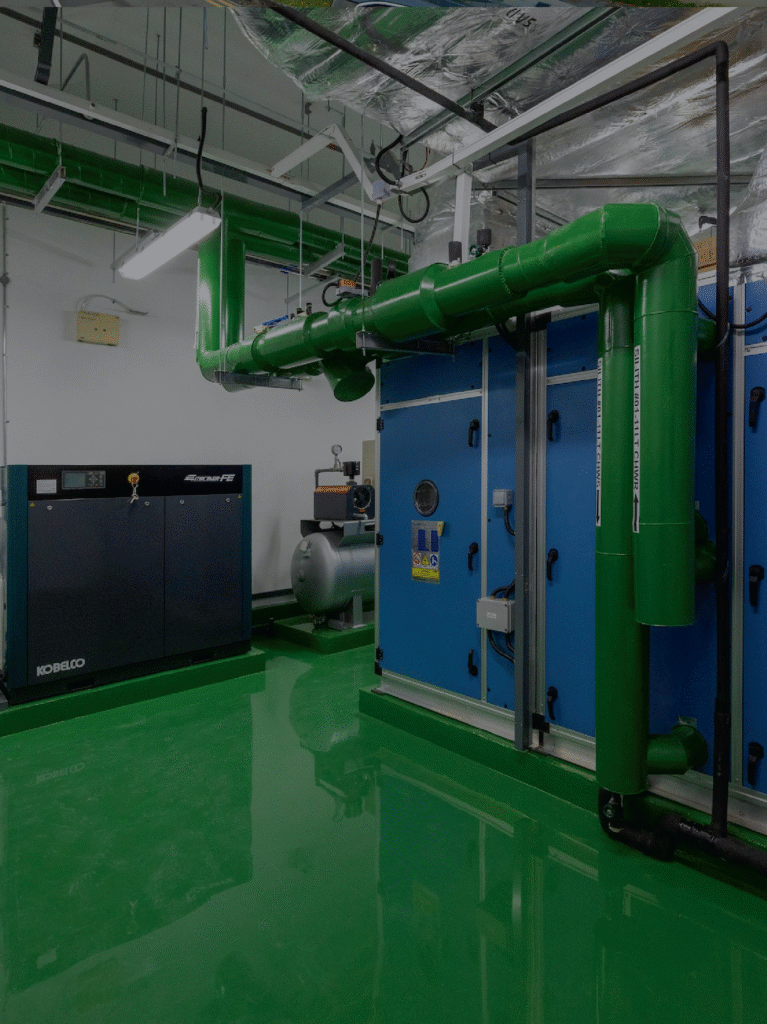
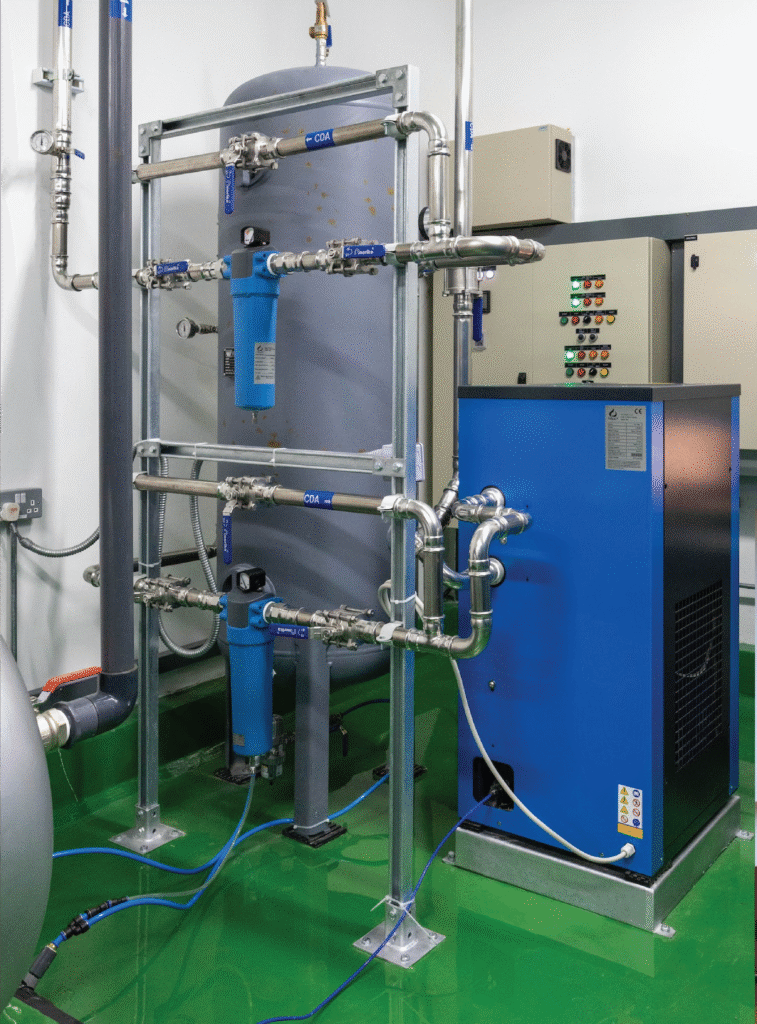
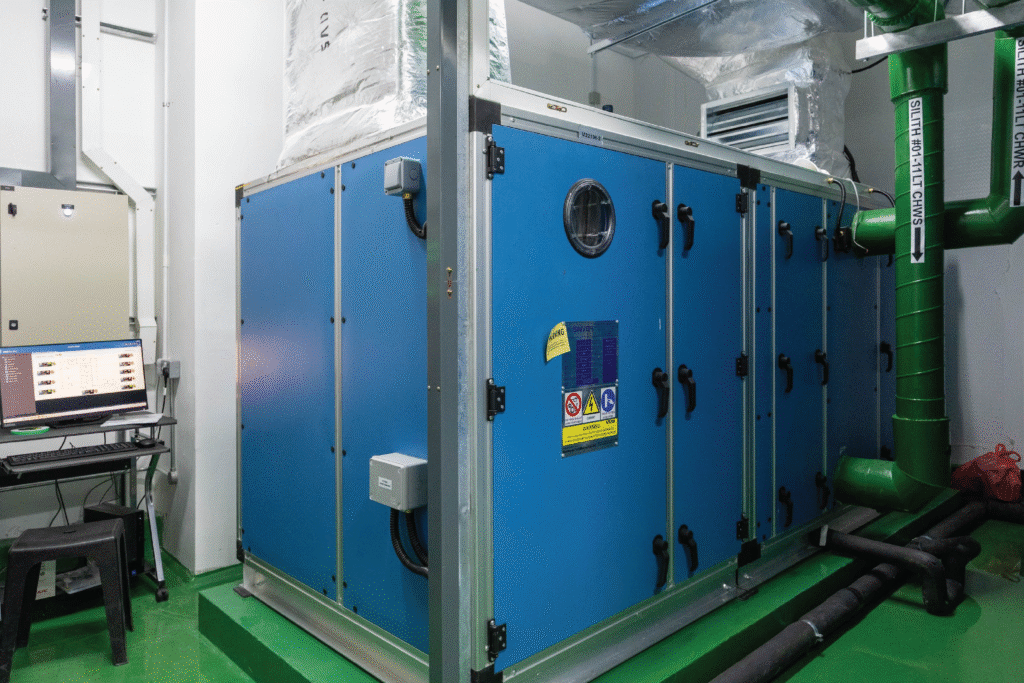
Hook-up which includes assembly and connection of production equipment, including all related consequences and adaptations to civil, mechanical and electrical installations, and complete documen of all works in a stuctured way. It is the bridge between building facilities and equipment/ tools in order to enable facility functionality.
Trivia & Numbers
- A single SMT (Surface Mount Technology) line in an electronics factory may require over 20 utility connections, including 5 distinct air/gas feeds and 3-phase isolated power.
- Up to 50% of initial yield issues in new industrial facilities are later traced back to improper tool hook-up or misconfigured utility logic.
- In a pharmaceutical-grade cleanroom, HEPA box hook-up and airflow balancing can take up to 30% of total tool hook-up manhours—despite being physically small.
- In food-grade facilities, a 5-minute error in CIP valve sequencing caused by a miswired hook-up can contaminate entire production batches, leading to recalls or regulatory fines.
WHY COMPLETE Tool Hookups is NEVER Plug and Play
COMPLETE TOOL HOOKUPS demands not just installation, but precise mechanical fit, validated utility sequencing, and full integration into plant safety and control systems. That’s why industrial hook-up is far more than connecting wires and pipes—it is about engineering the invisible handshake between machine and facility.
In light and mid-heavy industries, no two factories are ever truly alike—because no two workflows, tools, or utility demands are ever identical. Each facility is essentially a custom-built engine, and at its core are the tools that transform raw material into output. Whether it’s a CNC machine in a precision engineering shop, an autoclave in a biotech facility, or a multi-head filler in an F&B plant, the one universal truth is this: production does not begin until those tools are fully integrated into the physical, electrical, and process infrastructure of the facility.
That’s where Complete Tool Hook-Up comes in—a crucial yet often underestimated phase of the build lifecycle. While tool hook-up typically represents only 3–6% of total capex in industrial construction, it governs 100% of production readiness. Done well, it compresses the time-to-ramp, ensures system reliability, and lays the foundation for operational excellence. Done poorly, it leads to recurring downtime, sub-spec performance, and months of post-handover troubleshooting.
Precision at the Photonic Threshold
Complete Tool Hook-Up in UV-Controlled Cleanrooms
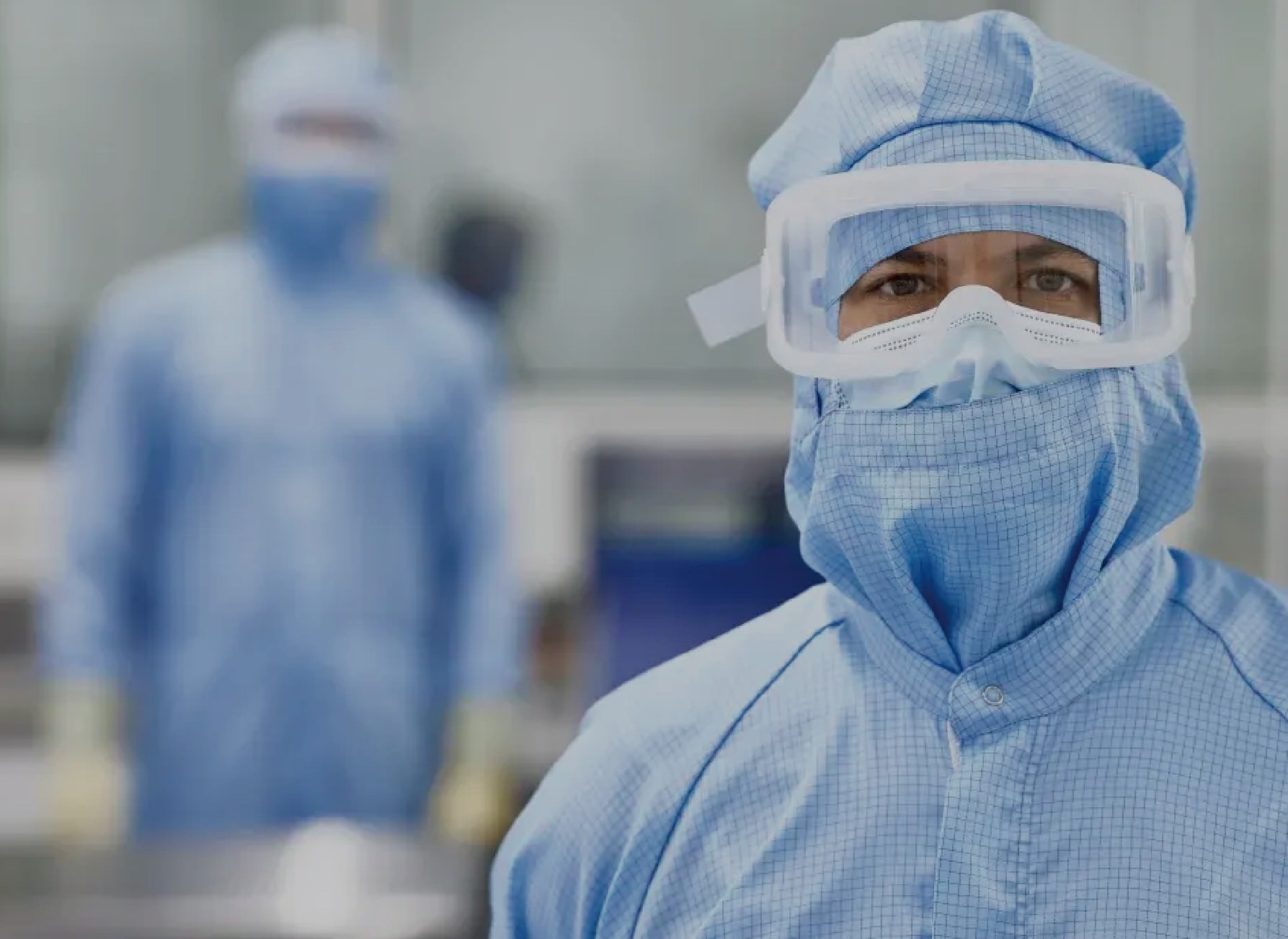
In cleanroom environments where UV-sensitive processes take place—such as photolithography, photonic device fabrication, OLED coating, or sterile bioprocessing—tool hook-up is not just about connecting utilities. It’s about preserving the integrity of invisible thresholds.
Every lumen, vibration, particle, and ion matters. The moment tools cross the cleanroom boundary, they enter a space governed not just by ISO classifications, but by photonic, particulate, and electrostatic constraints that define product viability. Hook-up procedures must respect those constraints down to the last micron, milliwatt, and millisecond.
